


We’ve transformed hundreds of smiles in Scottsdale — yours could be next! Claim your FREE dental consultation now and see what’s possible.
Book Online ? (480) 448-0770 
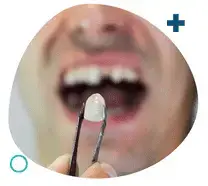
Composite fillings are white, tooth colored fillings that are used to repair both small and large cavities.

Loose dentures can be troublesome. Over time dentures allow your jaw bone to shrink and will remain loose over your lifetime,

People who get dental implants regain the ability to eat food and chew gum without having to remove any false teeth again.

A dental crown, or cap, is a type of dental restoration device used to cover up a tooth or dental implant at and above the gum line.

Using dental sealants is a popular and effective way to help prevent tooth decay.